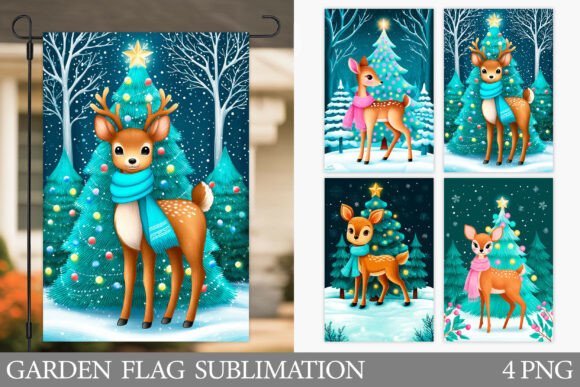
Review: Christmas Deer Flag Sublimation Illustrations
As a brand designer and content marketer, I approach every new graphic design asset with a critical eye. It is not enough for an image to be pretty; it must perform. It needs to communicate mood, align with brand identity, and drive engagement without overwhelming the core message. Recently, I evaluated the Christmas Deer Garden Flag Sublimation file for a potential holiday campaign, and the results offered valuable insights for anyone managing visual content.
The first impression of this piece is one of rustic warmth. Unlike the glossy, hyper-modern aesthetics that dominate some digital spaces, this illustration leans into tradition. The deer motif creates an immediate emotional connection, evoking feelings of nostalgia and cozy winter evenings. For brands in the lifestyle, handmade, or home decor sectors, this tone is invaluable. It signals authenticity rather than mass production. When assessing Illustrations for seasonal use, this kind of emotional resonance is what separates a forgettable graphic from a memorable brand touchpoint.
Integrating the Asset into Real Marketing Workflows
To test its versatility, I imagined a real-world scenario: a small business launching a limited-edition holiday gift box. The goal was to refresh social media visuals and create cohesive packaging inserts. Here is how the Christmas Deer Garden Flag Sublimation fit into that workflow.
In terms of brand identity, the asset served as a strong anchor. We used it as the central visual element in our social media graphics for Instagram and Pinterest. Because the design has clear lines and balanced composition, it maintained its integrity even when resized for different platforms. On Pinterest, where vertical pins compete for attention, the deer illustration provided a focal point that drew the eye before the user even read the headline. This supports stronger visual hierarchy, ensuring the audience processes the image before the text.
For packaging design, we applied the sublimation-ready file to mockups of tissue paper and sticker labels. The high-resolution nature of the file meant there was no pixelation, which is crucial for maintaining audience trust. Customers often equate print quality with product quality. A crisp, professional-looking label suggests a premium experience, whereas a blurry or poorly scaled image can make a brand appear amateurish. This asset held up well under scrutiny, reinforcing the perception of a thoughtful, high-quality brand.
Strategic Applications Across Channels
Beyond social media and packaging, this digital product proved useful in several other areas of content marketing. We incorporated it into email banners to announce our holiday sale. The festive theme increased open rates because it stood out in crowded inboxes filled with generic corporate newsletters. It also worked effectively as a header image for blog posts discussing sustainable holiday gifting, adding editorial flair without distracting from the written content.
For those creating Canva templates or printable design kits for clients, this asset is a strong addition. It pairs well with various typography styles. I tested it against serif fonts for a classic look, sans serif for modern clarity, and script fonts for a handwritten, personal feel. In each case, the deer illustration complemented the text rather than competing with it. This flexibility makes it a valuable component of any design bundle aimed at creative entrepreneurs who need adaptable resources.
Where to Use It—and Where to Exercise Caution
While versatile, no single asset fits every context. The Christmas Deer Garden Flag Sublimation shines in hero graphics, campaign headers, and decorative brand elements. It is ideal for businesses wanting to project warmth, tradition, or natural beauty. However, it should be used carefully in formal corporate branding or dense information layouts. If your brand relies on stark minimalism or ultra-modern tech aesthetics, this rustic illustration might clash with your established visual language.
Additionally, avoid placing this asset over low-contrast backgrounds or in small mobile graphics where detail might be lost. In digital ads that are text-heavy, ensure the illustration does not obscure the call-to-action. The key to professional branding is balance. The image should support the message, not overpower it. Always preview your designs on mobile screens to confirm readability and visual impact.
Practical Designer Notes for Implementation
Before integrating this or any clipart into paid campaigns, follow these practical steps to ensure success:
- Test Color Compatibility: Place the asset against your brand’s primary color palette. Ensure the tones harmonize rather than clash. If necessary, adjust saturation or hue to match your existing marketing visuals.
- Check Black and White Usage: Verify how the illustration looks in monochrome. This is essential for cost-effective printing on stickers or merchandise.
- Mockup Real Scenarios: Do not just view the file in isolation. Place it inside real campaign mockups, such as phone screens, mailers, or product boxes, to gauge its actual impact.
- Review Licensing: Always confirm the commercial license terms before using the asset in client work or for products you intend to sell. Understanding usage rights is fundamental to ethical and legal small business branding.
- Compare Against Competitors: Look at what similar brands are using. Does this asset help you stand out, or does it blend in? Unique creative design choices drive recognition.
In conclusion, the Christmas Deer Garden Flag Sublimation is more than just a seasonal image. It is a strategic tool for enhancing brand identity and improving engagement. When used thoughtfully, it supports clearer communication, builds emotional connections, and elevates the perceived value of your offerings. For content creators, designers, and small business owners looking to add a touch of festive professionalism to their visual content creation, this asset delivers both aesthetic appeal and functional versatility. By focusing on consistency and context, you can transform a simple illustration into a powerful driver of brand loyalty and sales.